How P&G is building the supply chain of the future, one decision at a time
May 5
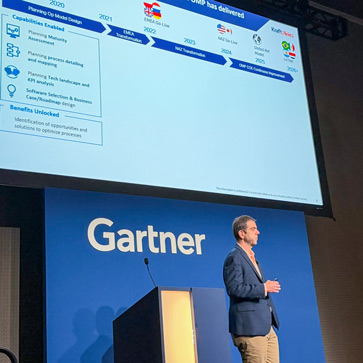
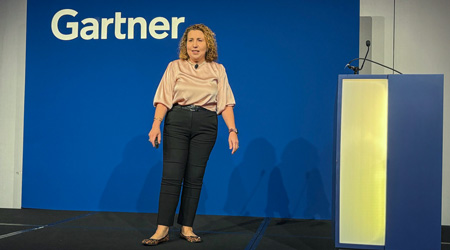 When P&G took the stage at the Gartner Symposium/Xpo™, Daniela Cima, SVP One Supply Transformation, didn't talk about technology first. She talked about decisions. Specifically, how one of the world's most complex supply chains is being redesigned to make fewer, better ones.
Operating across 100+ manufacturing sites, 200+ distribution centers, and a network of 40,000 external partners, P&G is partnering with OMP to turn that complexity into a competitive advantage. The consumer goods giant is deploying OMP's Unison Planning™ platform as the backbone of an end-to-end transformation toward touchless, AI-enabled supply chain planning.
Case study
What P&G is solving for
P&G's complex planning landscape had grown into a web of siloed roles, disconnected systems, and 35+ overlapping processes. Planners spent more time manipulating data than making decisions. Volatility, from geopolitical disruptions and shifting consumer demand, exposed how difficult it is to act decisively when your plan is fragmented across multiple tools and teams.
The ambition wasn't incremental improvement. It was a fundamental redesign: one system, one planner, one end-to-end plan.
Three pillars driving the transformation
Case study
- Radical integration over incremental automation: Rather than automating the existing complexity, P&G and OMP set out to eliminate it. Consolidating from 35 processes to 20, replacing role handoffs with full chain ownership, and standardizing on a single data model means planners now work from one version of the truth, from raw materials all the way through to deployment.
- A clear roadmap to touchless planning: With OMP's Unison Planning™ already handling 80% of planning touchlessly, P&G has a structured path to 100%, powered by AI-enhanced decision intelligence and a projected 50% reduction in planner effort. The goal: planners focused on decisions that require human judgment, with autonomous planning handling the rest.
- Data as the foundation for AI: Before layering in machine learning or advanced forecasting, P&G invested in getting the data architecture right, transforming app-centric silos into a unified data lakehouse built on harmonized, reusable data. Without this layer, AI doesn't scale. With it, every planning application becomes smarter over time.
Case study
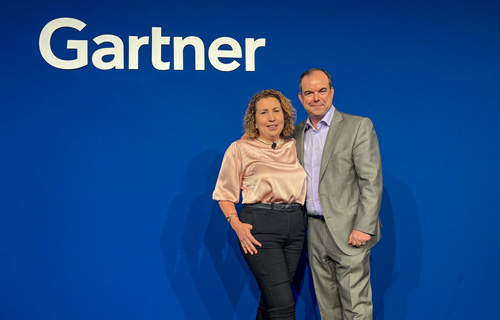
“The future we're designing envisions an empowered workforce focused on elevating supply chain performance versus daily routine tasks.” – Daniela Cima, SVP One Supply Transformation, P&G
The human side is non-negotiable
P&G's approach to change management is as deliberate as its systems architecture. A Zero Loss Mindset, Total Employee Ownership, and continuous improvement cycles are structural requirements. Planner roles have been redesigned around decision-making, not data handling. Two new roles sit at the heart of this shift: the Supply Flow Analyst, responsible for one end-to-end plan executed right the first time, and the Supply Flow Engineer, focused on continuous operating strategy and improvement. Both are built to ensure that as the system takes on more routine tasks, people are ready to work at a higher level.
Results that validate the approach
P&G has maintained greater than 98% shelf availability throughout its transformation, a clear signal that integration and automation, done right, strengthen service rather than strain it. Planners are operating with greater bandwidth and higher impact. Complexity is down. Decision quality and speed are up.
The takeaway for supply chain leaders: autonomous planning is a capability you build through disciplined process design, cultural investment, and the right technology partner.
Want to explore more on P&G's transformation journey?