Vision-led design: Eastman defined one planning cycle globally
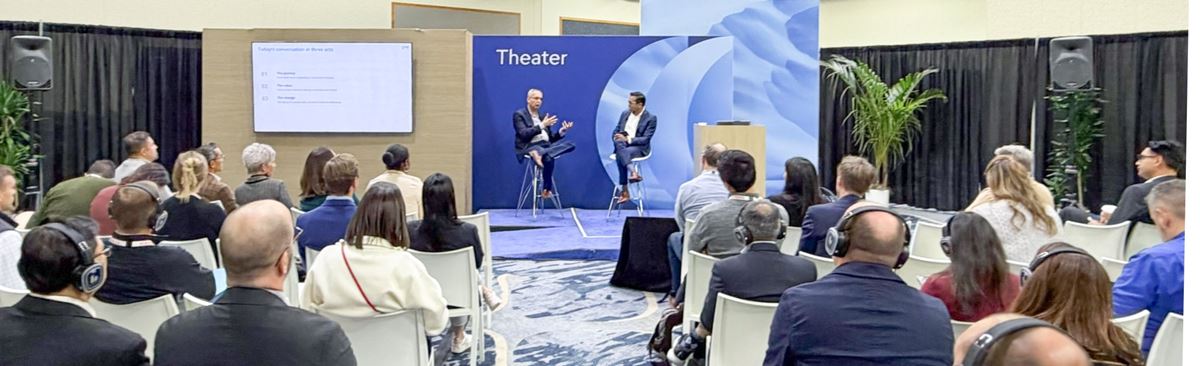
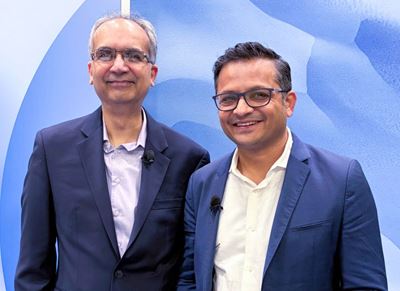
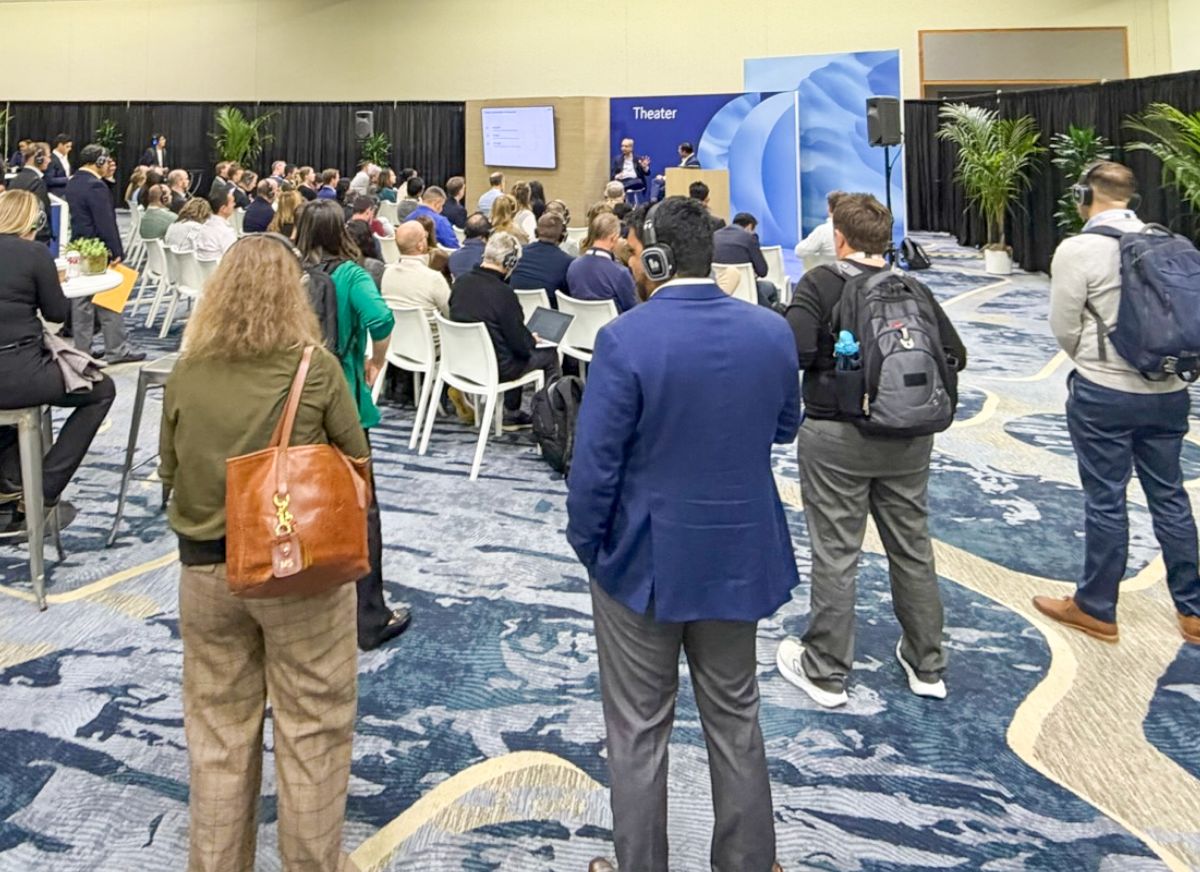
At the Gartner Supply Chain Planning Summit in Denver, Sachin Kothari, Manager IBP Excellence at Eastman Chemical Company, and Abhi Patel, Chief Business Operations Officer at OMP, shared how Eastman connected its planning horizons into one planning cycle. Eastman now runs scheduling, demand planning, and integrated business planning (IBP) together across all of its businesses with Unison Planning™.
Its most distinctive decision was to set one design before any configuration, instead of collecting requirements first.
 At a glance:
- Industry: Chemicals
- Scope: Four businesses (advanced materials, additives and functional products, chemical intermediates, and fibers), about $8.8 billion in 2025 revenue, vertically integrated from commodity upstream to specialty downstream
- Technologies: Unison Planning™ for demand planning, integrated business planning, and scheduling
- Live today: Scheduling, demand planning, and IBP connected and implemented globally across all businesses
- Next: Commercial organization joining the demand planning process · short-term planning optimization in one more business · more automation and AI in planning decisions
One vertically integrated chain, planned in separate pieces
Eastman runs four businesses across a vertically integrated chain. Upstream products are commodities, downstream products are specialties, and each layer has its own planning to optimize. The businesses also differ widely in how they plan.
Eastman’s advanced planning started at the plant. It made good progress but covered only one planning horizon. The first phase worked like this:
- Optimization focused on constraints in short-term scheduling, which decides what each line makes next
- Demand planning, which matches demand with the supply to meet it, stayed out of scope
- The handoffs between horizons went unaddressed
- A design built on requirements gathering, asking what the team could do
Key takeaways
- Start with the vision, then bring the people. Eastman defined good planning before building anything and backed the design with leadership from the CEO down, upskilled planners, and established a separate master data team.
- Plan capacity across the whole chain. In a vertically integrated company, the larger, lasting gain comes from planning capacity across all businesses together, which brings economies of scale and margin.
- Respond faster to disruptions. With every horizon in one system, planners compare scenarios and decide once the team has reviewed the output, instead of spending at least two weeks gathering data.
Case study
One design rolled out globally
Asked what made the difference, Kothari named three things that worked together: vision-led design, a complete global implementation, and leadership support across functions and businesses.
"The biggest benefit of Unison Planning is the joint source of truth that helps our planning teams to achieve reliable outcomes.”
– Sachin Kothari
Eastman’s answer to the people side started at the top and ran through four areas:
- Leadership: The CEO and executive vice presidents backed the program, which set the stage for support across the businesses.
- Desire: Coffee chats and email blasts built the wish to use the new process, so adoption did not rest on leadership push alone.
- People: Eastman upskilled planners and changed the org design where needed.
- Data: A separate master data team made sure the system reflected conditions on the ground.
Case study
Where chemical supply chain planning finds its margin
Eastman measures planning against two colors of money: profitability and cash. It carries $2 billion in inventory and aimed to reduce it by about 5%, going after the inefficient part: the wrong product in the wrong location. That is a one-time cash benefit, and Kothari pointed to a bigger, longer-term one: margin.
"Each of our businesses used to optimize only its own part of the chain. Now we plan capacity across the whole chain, and that is where the economies of scale and the margin come from.”
– Sachin Kothari
Decision velocity when disruption hits
Before, we needed at least two weeks to gather everything and sometimes we had to act in days. Now, with Unison Planning™, we can decide as soon as the team gets together to review the output.”
– Sachin Kothari
Decision velocity is the speed from detecting a change to executing a confident response. At Eastman, the delay used to be in assembling the picture. With every horizon in one system, planners can change variables, replan, and compare scenarios, so the remaining wait is for the team to meet. Kothari said that both reaction time and choices improved drastically during disruptions such as tariffs, oil price changes, and COVID.
Settle the big trade-offs early
The lesson applies to any producer with a vertically integrated chain. OMP’s view is that decision velocity starts when a trade-off is decided early and only once, and Eastman’s vision-led design follows that order: define good first, then build it. With scheduling, demand planning, and IBP in one system, a disruption becomes a comparison of scenarios, and the plan can use capacity across the chain.