LogiPharma 2026: building resilient pharma supply chains with connected planning
April 20
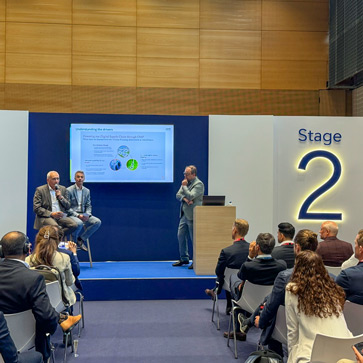
During three LogiPharma sessions, our OMP experts and customers showcased how connected planning increases visibility, sharpens decision-making, and supports confident use of AI in both commercial and clinical supply chains.
End-to-end visibility as the foundation for confident decisions
Case study
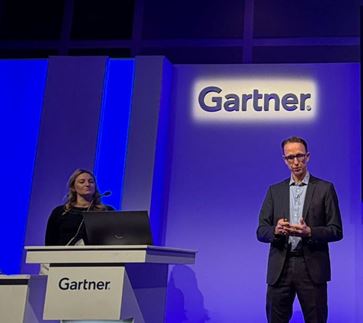
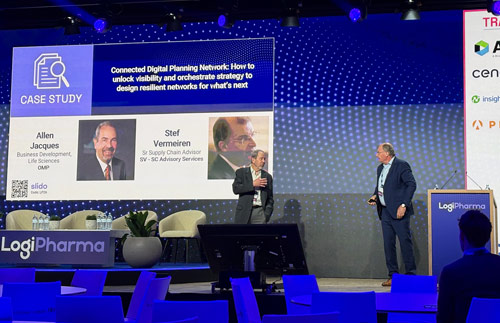
In the session led by Stef Vermeiren, former J&J executive, and Allen Jacques, Business Development Manager at OMP, the challenge was clear. Many pharma organizations still operate with fragmented planning environments, disconnected data, and siloed decisions. This limits visibility and slows response times in increasingly complex global networks.
Creating one process, one organization, and one system establishes true end-to-end visibility and orchestrates network design choices throughout the value chain. Integrated planning enables faster scenario evaluation while reducing simulation lead times from weeks to hours. Planning shifts from reactive firefighting into a strategic capability that improves responsiveness and decision confidence.
Case study
AI increases planning speed and decision quality
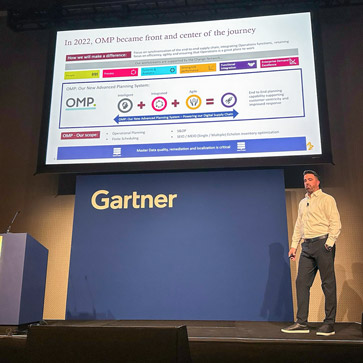
In the demo session, Mattias Hoet, Senior Presales Consultant at OMP, showed how AI improves forecast accuracy, accelerates decision cycles, and enables more autonomous planning decisions at scale.
With UnisonIQ, OMP's AI orchestration framework, planners can automate routine decisions, allowing them to focus on evaluating trade-offs and managing complexity. Within an integrated planning environment, organizations respond faster to change while improving consistency and planning accuracy.
Case study
Connected planning advances clinical supply chain performance
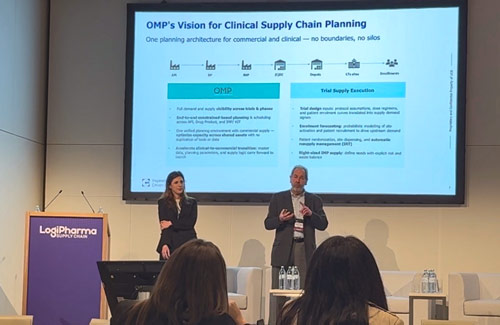
Dora Coetzee, Head of Clinical Supply Planning & Performance at UCB, explained how connected planning principles can improve clinical supply chains, which are complicated by uncertainty, regulatory requirements, and patient-driven demand.
Extending commercial planning capabilities into clinical supply chains improves coordination across planning horizons and more closely aligns clinical and commercial decisions. Greater visibility supports more reliable trial execution and helps teams spot and manage risk earlier.
Case study
Key takeaway worth remembering
Organizations that invest in connected end-to-end planning are better positioned to apply AI successfully and scale decision intelligence with greater confidence.
By improving visibility, accelerating scenario management, and enabling better decisions throughout the value chain, life sciences companies build supply chains that respond faster, adapt earlier, and stay in control when conditions change.